Wandering Through the Past in Search of Regenerative Futures
Anna Bitkina, curator of State of Wander
Royal Houses at a Time of Ecological Crisis
Historical palaces and castles, with their opulent collections, manicured gardens, and vast parks, remain enduring symbols of Europe’s aristocratic legacy. From Versailles to Schloss Schwerin, these sites reflect not only wealth and artistic achievement but also histories of labour exploitation, colonial extraction, and environmental control. Their collections, shaped by anthropocentric academic and scientific traditions, often speak of conquest and displacement rather than simple aesthetic appreciation. The surrounding landscapes, designed to project power, replaced complex ecosystems with controlled ornamental designs.
In the context of trans-local and global climatic and geobiological changes caused by human activity––often rooted in the domination of humans over other species––these sites raise pressing questions: how can historical museums address the environmental and social histories embedded in their collections? What role might they play in challenging dominant narratives of wealth, power, and human mastery over nature?
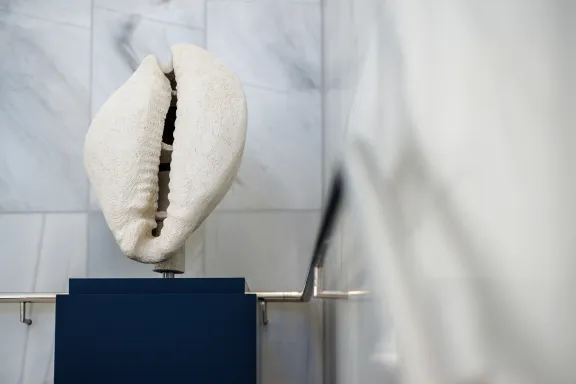
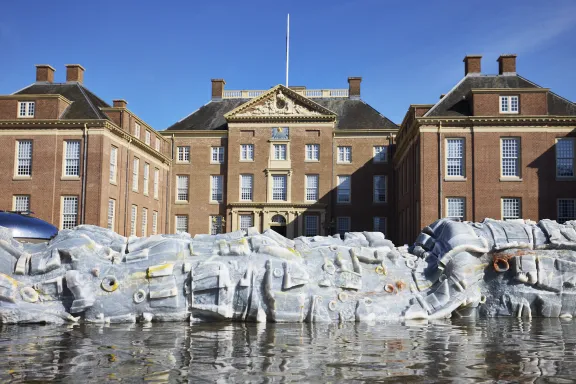
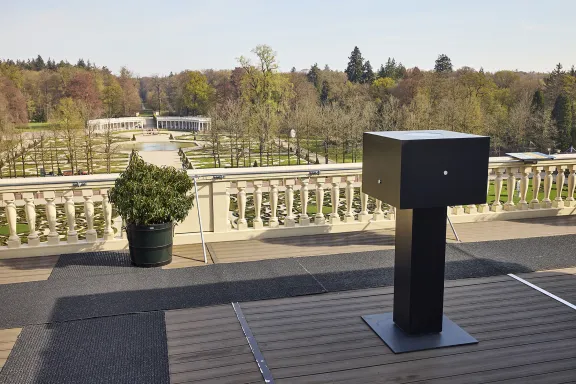
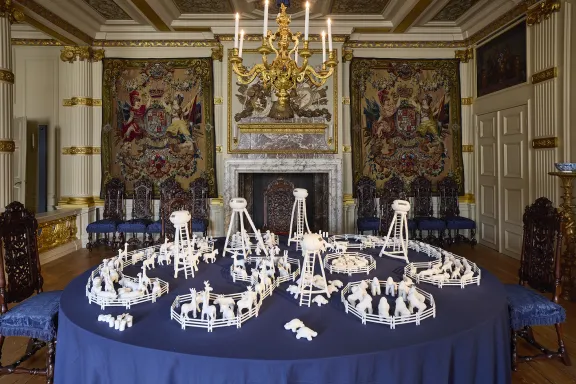
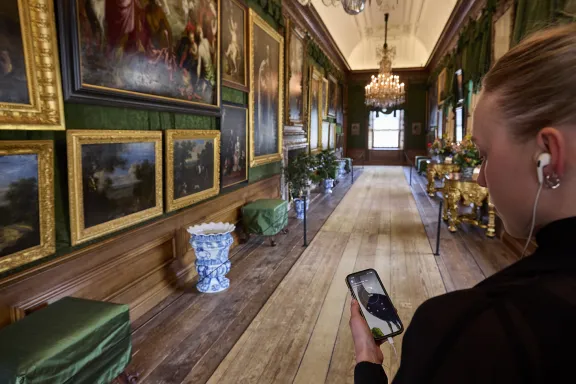
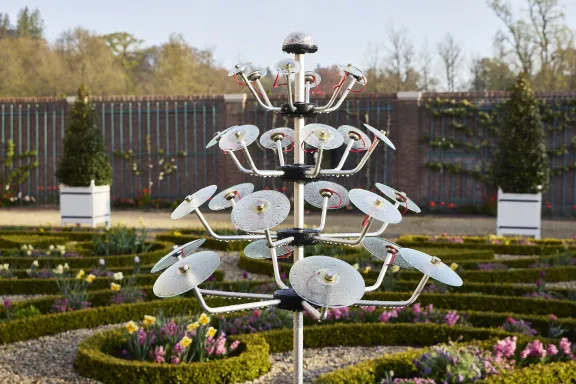
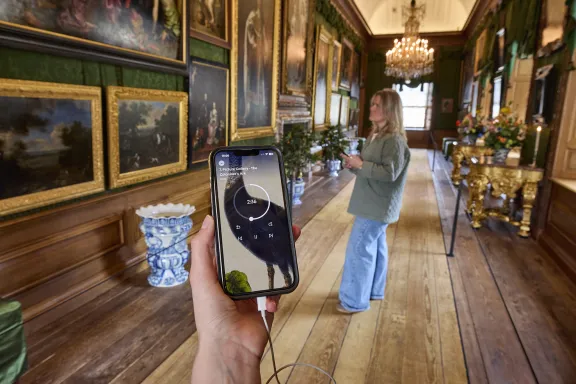
Based on research relating to the collection of Paleis Het Loo, State of Wander: Towards Environmental Restoration presents a framework for addressing these questions and exploring possible answers. It seeks to challenge the Eurocentric mindset and examine the role of royal privilege in shaping capitalism, perceptions of nature, and European ecological history. Paleis Het Loo in Apeldoorn—once a Dutch royal summer residence and hunting lodge—is now a national museum. As a site of cultural and natural heritage, it preserves 17th-century baroque gardens, stables, taxidermy specimens, hunting collections, floral textiles, collection of paintings, ceramics and glass, and a plant collection including both local and imported varieties.
Originally built on rugged heathland for royal hunting and gardening, Het Loo exemplifies how aristocratic culture shaped landscapes for sport, leisure, and display, reinforcing visions of nature as something to be ordered and mastered. Today, these historical values are increasingly being reassessed in contemporary debates on sustainability and interspecies coexistence.
State of Wander also contributes to ongoing discussions about global climate change rooted in Western epistemologies. The origins of climate change cannot be understood without tracing them back to the 16th century—to colonial expansion, extractive economies, and large-scale transformations of land, workforce, and ecological systems. Against this backdrop, State of Wander invites a critical re-reading of the museum as a site where histories of power, ecology, and representation can be reimagined. This comprehensive examination of the past helps to highlight the importance of preserving our environment as we move forward. State of Wander is also driven by a search for new lenses for the cultural and spatial analysis of existing human-made environments and representations of nature embedded in urban structures or presented in museum collections.